Health and Safety Policy for Londonremovalsandstorage
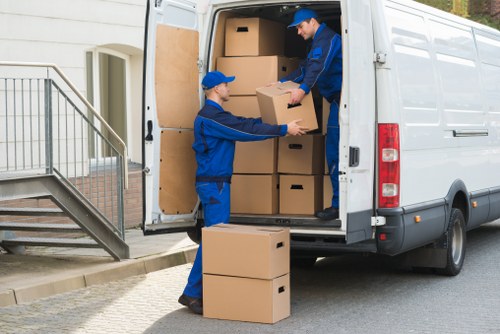 Londonremovalsandstorage is committed to maintaining a safe, healthy, and well-managed environment for all employees, contractors, customers, and visitors. This health and safety policy sets out the principles, responsibilities, and working practices that support safe removals, storage handling, and operational control. It is designed to reduce risks, protect people and property, and ensure that every task is carried out with care, professionalism, and attention to detail.
Our approach to health and safety is based on prevention, communication, and continuous improvement. We recognise that removals and storage work can involve manual handling, transport activities, lifting, loading, unloading, and the movement of goods in varied environments. For that reason, our policy applies to all activities and is supported by training, supervision, and safe systems of work.

Policy Statement
We aim to provide a workplace and service that protects people from harm as far as reasonably practicable. This means identifying hazards, assessing risks, and implementing sensible controls before work begins. Everyone involved in London removals and storage operations has a role in promoting safe behaviour and reporting concerns promptly.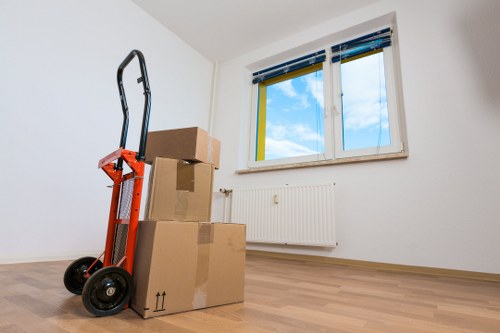
Responsibilities
Management Duties
Senior management is responsible for ensuring that the Londonremovalsandstorage health and safety policy is properly implemented and reviewed. This includes providing suitable equipment, maintaining vehicles and facilities, ensuring staff are trained, and allocating enough time for tasks to be done safely. Management will also review incidents, near misses, and changing conditions to improve controls where needed.Employee Duties All staff must take reasonable care of their own safety and that of others. Employees are expected to follow instructions, use equipment correctly, wear any required protective items, and avoid unsafe shortcuts. They must also cooperate with risk assessments and notify a supervisor if they identify a hazard, defect, or unsafe condition.
Contractors and Visitors Contractors, delivery personnel, and visitors must comply with site rules and any safety guidance provided on arrival. Access may be restricted where necessary to prevent exposure to moving vehicles, lifting operations, or storage areas. Safe conduct is required at all times.
Risk Management and Safe Working
We assess risks associated with lifting, carrying, packing, loading, driving, and warehouse activity. Risk assessments are used to identify hazards such as unstable loads, blocked walkways, poor lighting, slippery surfaces, equipment faults, and fatigue. Controls may include team lifting, mechanical aids, clear signage, housekeeping checks, and planned work schedules that reduce pressure and confusion.Manual handling is a key priority. Staff are trained to judge weight, shape, and balance before moving items. Where an object is too heavy, awkward, or unsafe to handle alone, assistance or equipment must be used. Safe posture, controlled movement, and route planning are essential in every assignment.
Vehicles and equipment must be kept in safe condition. Pre-use checks help confirm that trolleys, straps, ramps, lifting aids, and transport vehicles are fit for use. Any defect must be reported immediately and the item taken out of service until repaired or replaced. Our storage and removals safety standards require that equipment is used only by authorised and trained personnel.
Storage and Site Safety
Storage areas are maintained to reduce hazards and protect goods. Aisles should remain clear, items must be stacked securely, and heavy objects should be stored where they can be handled safely. Fire exits, emergency routes, and access points must never be obstructed. Good housekeeping is a constant requirement and forms part of daily operations.Environmental conditions can affect safety, especially in wet, cold, or low-light conditions. Staff should adapt their working methods to suit the environment and remain alert to changing circumstances. When conditions create increased risk, work should pause until the issue is controlled. This is an important element of our removal company safety policy.
Training, Communication, and Monitoring
Training is provided to help employees understand safe lifting, correct use of equipment, emergency procedures, and hazard awareness. Induction and refresher training support consistent standards across all teams. We encourage open communication so that safety concerns can be raised early and addressed without delay.
Incidents, Emergencies, and Reporting
Any accident, injury, near miss, or unsafe event must be reported as soon as possible. Early reporting allows the cause to be investigated and corrective action to be taken. Emergency procedures are in place to support swift and calm responses to fire, injury, vehicle incidents, or other urgent situations. Staff should know the relevant procedures for evacuation, first aid, and communication during an incident.Health considerations are also part of our policy. We aim to reduce stress, fatigue, and repetitive strain through sensible scheduling, adequate breaks, and practical work planning. Where individuals have temporary or long-term health concerns that may affect safe work, suitable adjustments will be considered in line with operational needs and safety requirements.
We review our controls regularly to ensure they remain effective. Lessons learned from incidents, staff observations, and operational changes are used to strengthen performance. This reflects our commitment to a responsible health and safety policy for removals and to ongoing improvement across the business.